Description
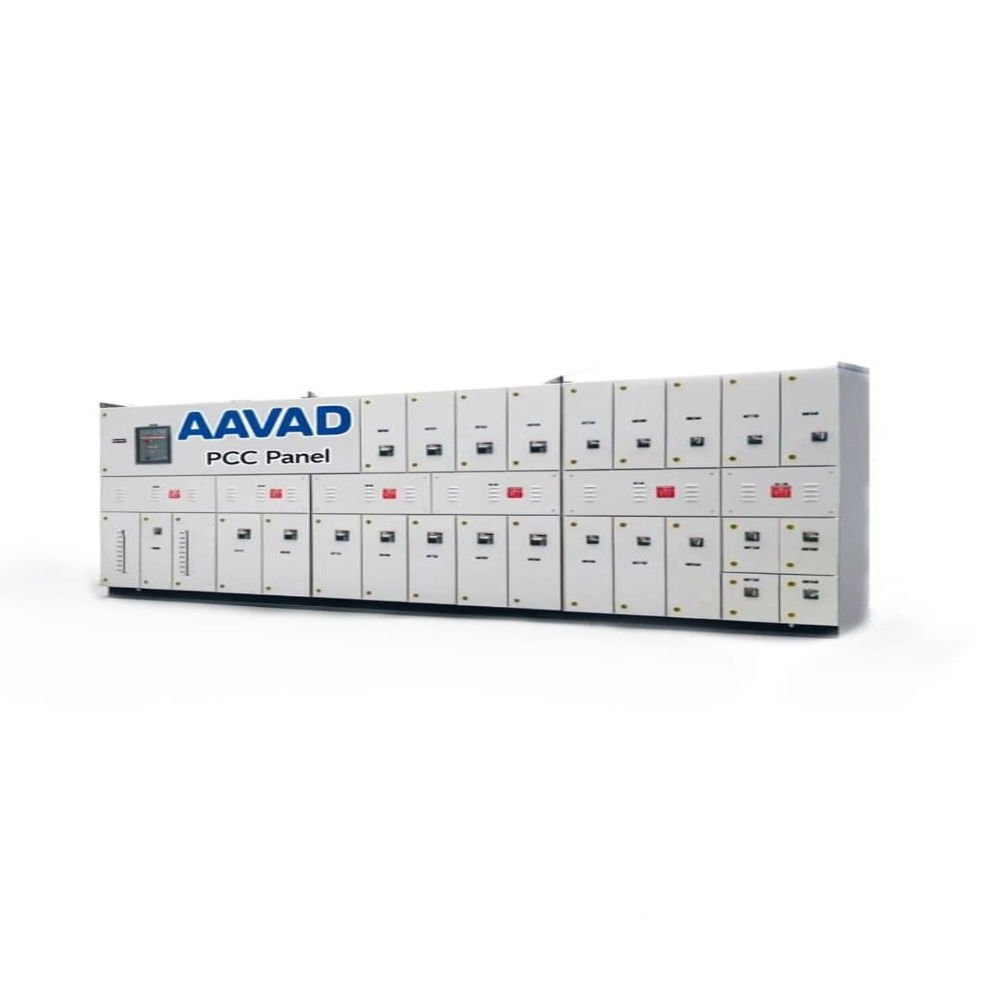
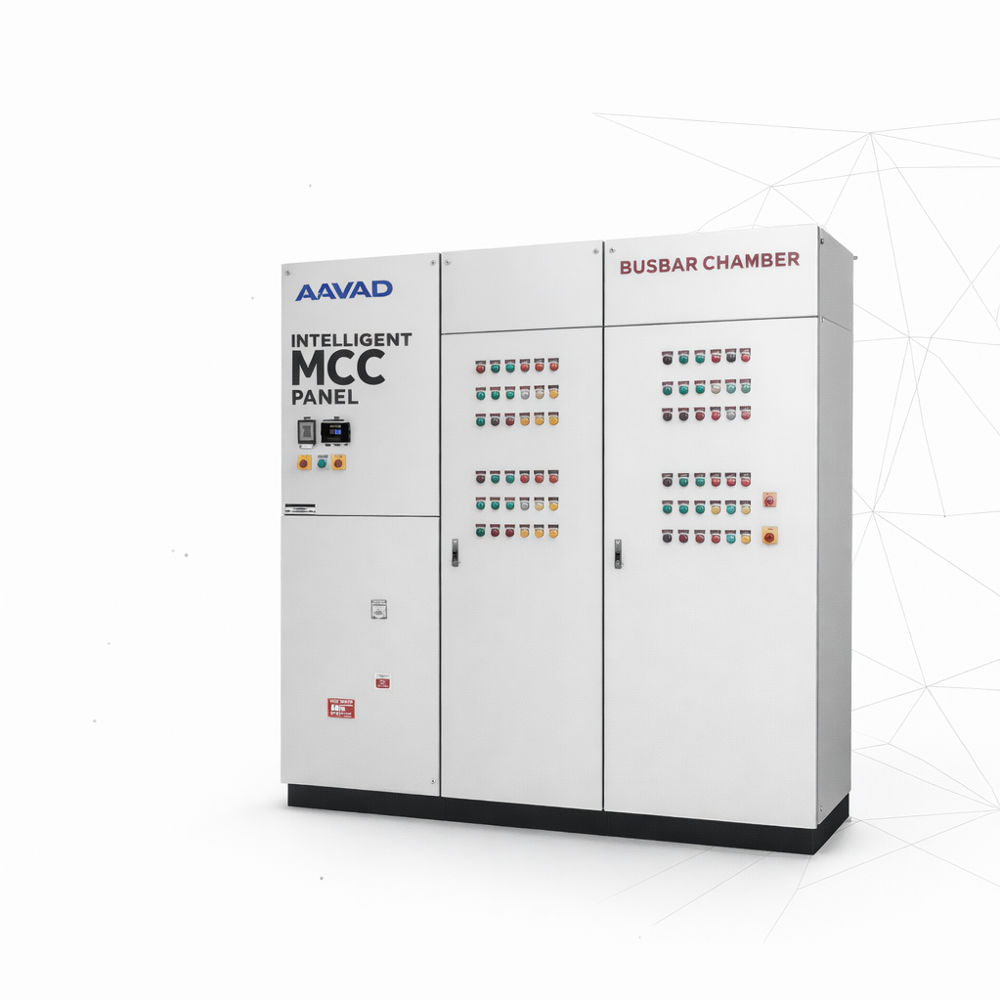
AAVAD Instrument MCC Panels provide centralized, safe, and efficient control of electric motors. Designed as per international standards, these panels ensure reliable motor management across industrial applications.

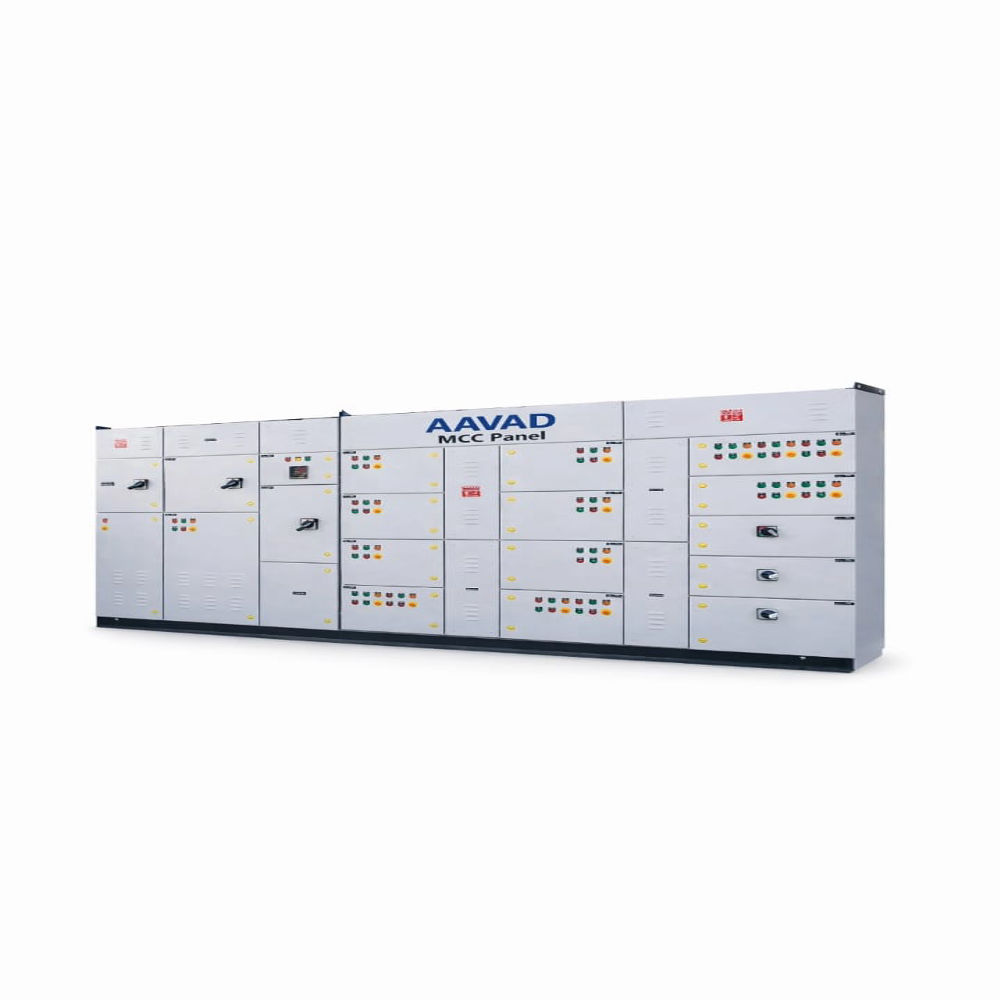
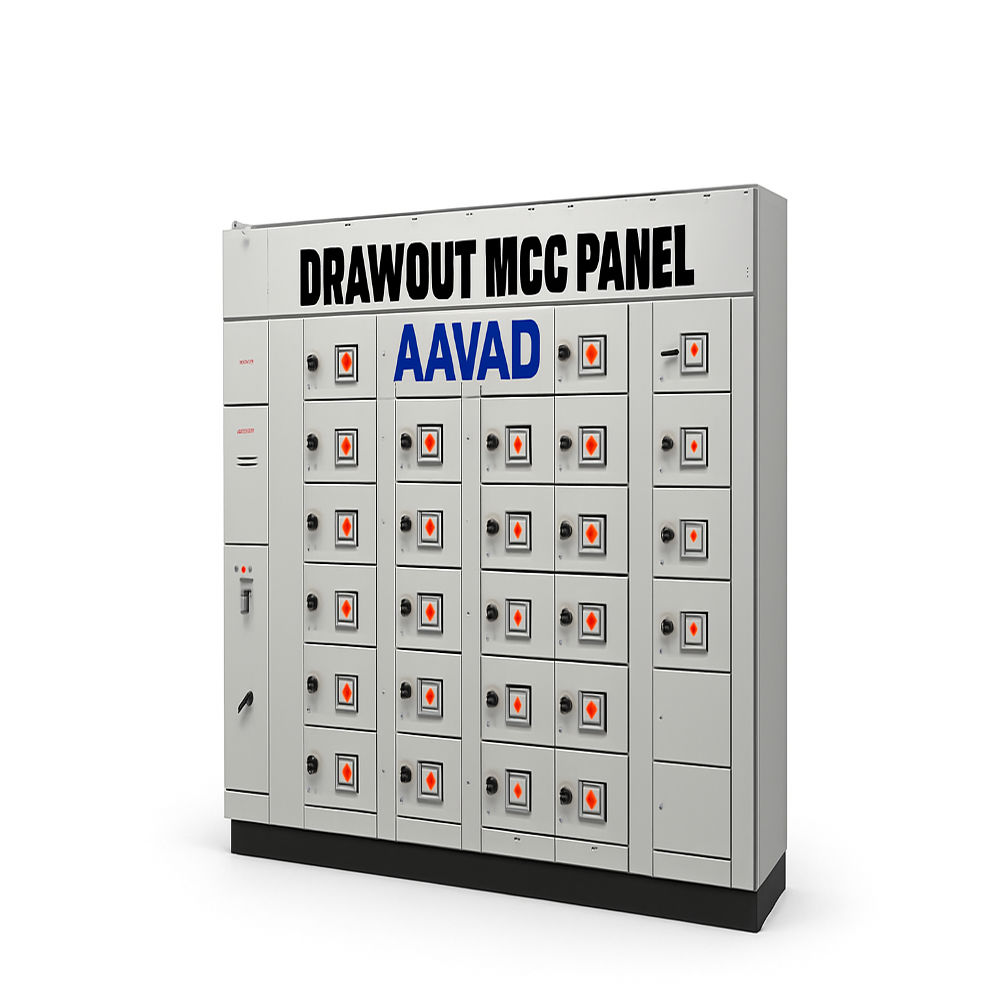
A Motor Control Center (MCC Panel) is a centralized system used for controlling electric motors. It includes essential components such as motor starters, fuses or circuit breakers, overload relays, and power contactors. Many commercial and industrial applications require the operation of multiple electric motors, and MCC panels provide an efficient and organized solution to control one or more motors from a single location.
AAVAD Instrument Pvt. Ltd. is recognized as a reliable manufacturer, supplier, and exporter of Motor Control Center (MCC) Panels in India, delivering quality-driven and application-oriented motor control solutions for diverse industries.
MCC stands for Motor Control Center. These panels act as centralized hubs for controlling and managing the operation of electric motors within industrial environments. The primary function of an MCC panel is to provide a safe, efficient, and organized system for controlling motors and associated electrical equipment.
AAVAD Instrument Pvt. Ltd. designs and manufactures MCC panels with a strong focus on safety, reliability, and long-term operational efficiency. Each panel is engineered using quality-tested components and manufactured under strict quality control processes to meet diverse industrial motor control requirements.
Our MCC panels are designed for easy installation, simplified maintenance, and seamless integration with modern automation systems. With customization options, high fault withstand capacity, and compliance with international standards, AAVAD MCC Panels ensure dependable performance in critical industrial applications.
AAVAD Instrument MCC Panels provide centralized, safe, and efficient control of electric motors. Designed as per international standards, these panels ensure reliable motor management across industrial applications.
Motor Control Center (MCC) panels are available in various configurations to meet different industrial requirements. Common types include:
Standard MCC Panels
Intelligent MCC Panels
Variable Frequency Drive (VFD) MCC Panels
Soft Starter MCC Panels
Customized MCC Panels
PMCC Panels
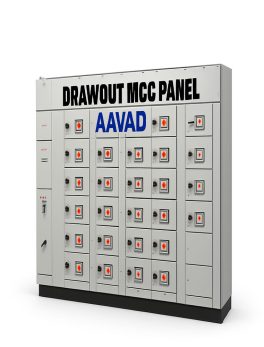
Draw-Out MCC Panels
To ensure safety, performance, and reliability, MCC panels are designed and manufactured in accordance with the following standards:
IEC 61439
Defines the requirements for low-voltage switchgear and control gear assemblies, including design verification, construction, and testing.
IEC 60947
Covers individual components such as circuit breakers, contactors, and overload relays used in MCC panels.
UL 845
Specifies construction, performance, safety, testing, and labeling requirements for MCC assemblies, primarily applicable to North American markets.
NEMA Standards
Issued by the National Electrical Manufacturers Association, these standards define ratings, performance criteria, and design consistency for MCC panels.
ISO 9001:2015
Demonstrates compliance with quality management systems, ensuring consistent manufacturing quality and process control.
Local Electrical Codes & Regulations
MCC panels comply with regional electrical codes and statutory regulations applicable to the installation location.
Motor Control Center panels from AAVAD achieve a high degree of protection with enclosure ratings up to IP65, providing excellent resistance against dust ingress and water jets. This ensures reliable performance and protection of internal components even in harsh industrial environments.