Description
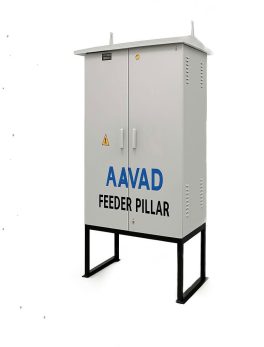
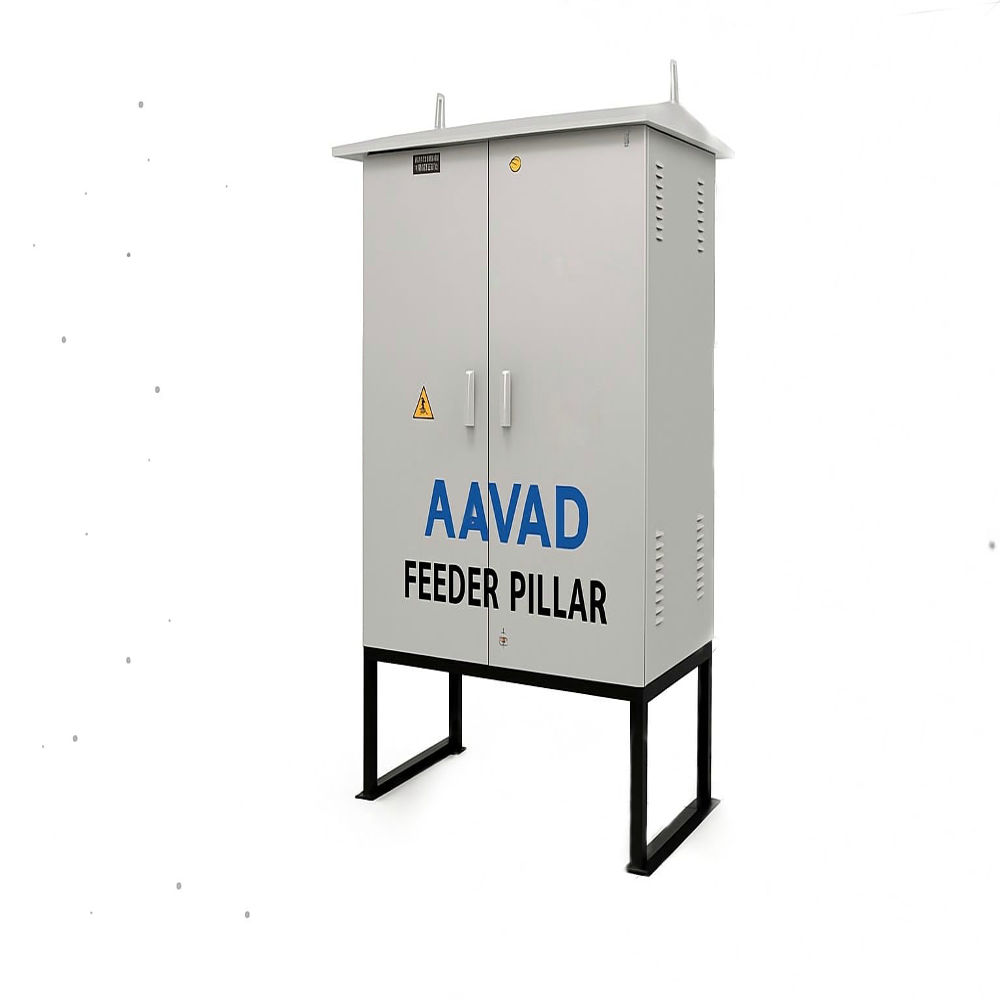
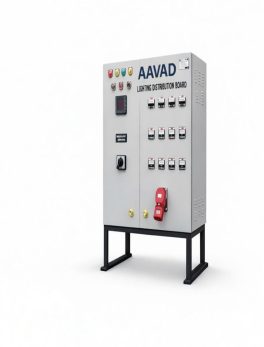
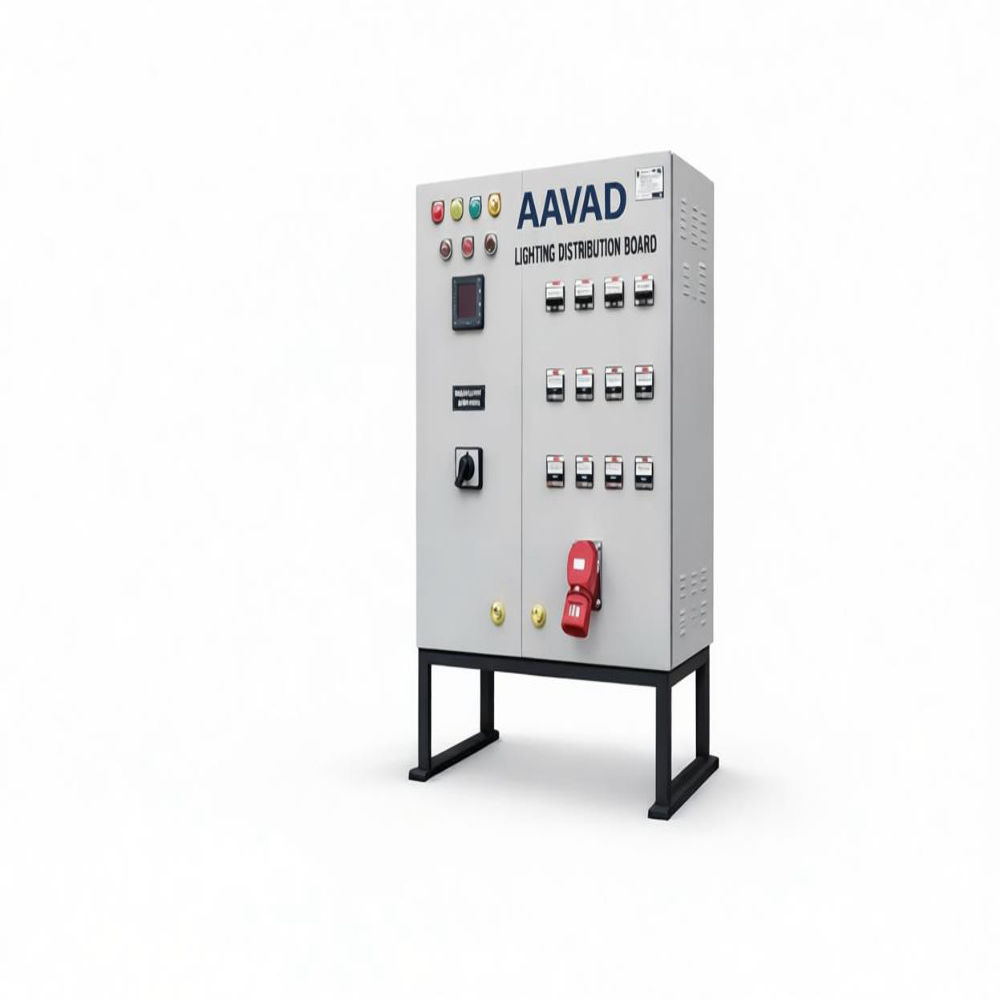
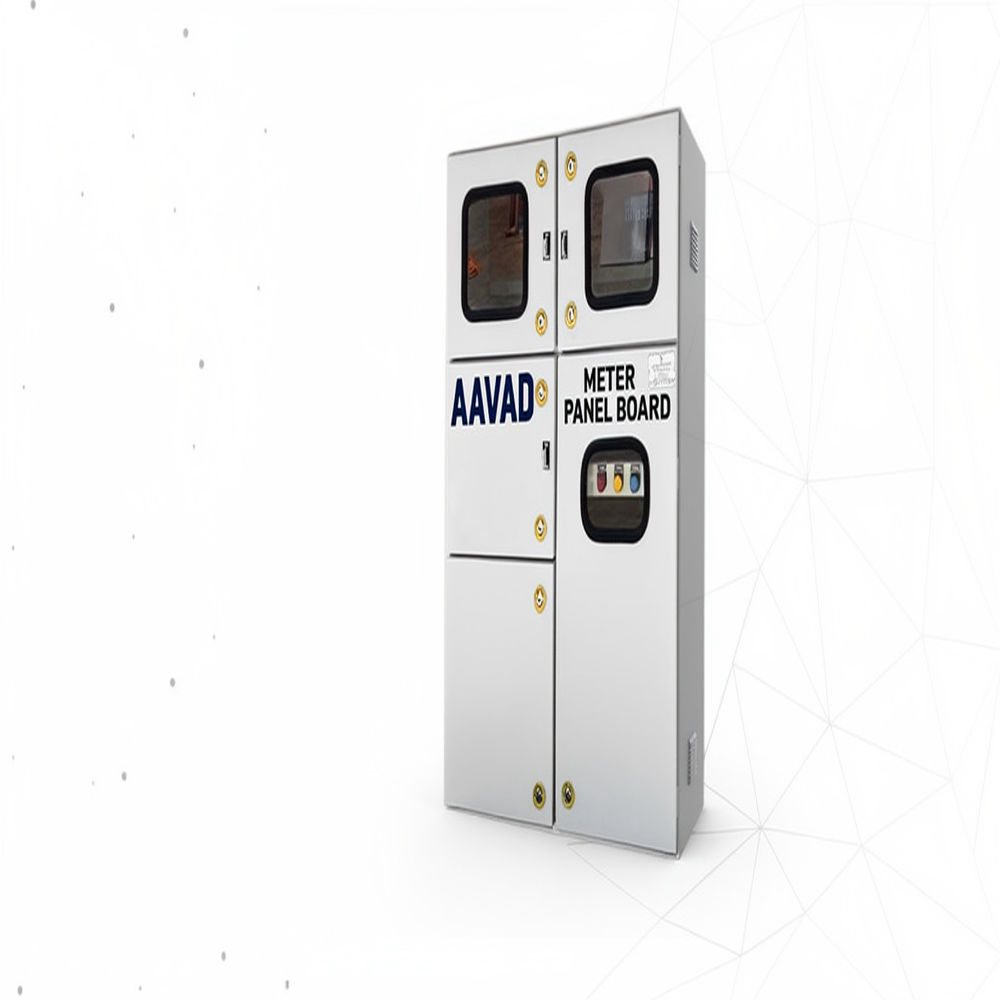
AAVAD INSTRUMENT PVT.LTD. Electrical Junction Boxes are robust, IP-rated enclosures designed for safe and reliable electrical power distribution in industrial, commercial, and solar applications.

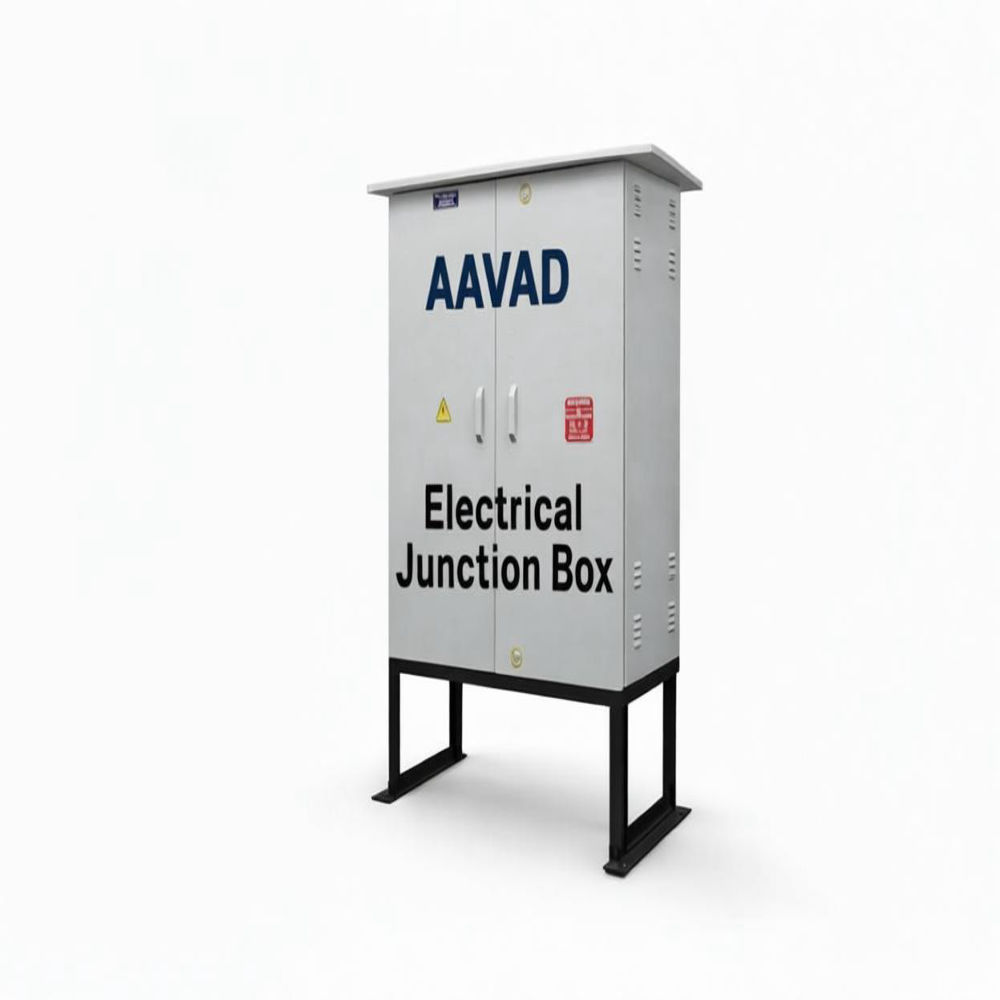
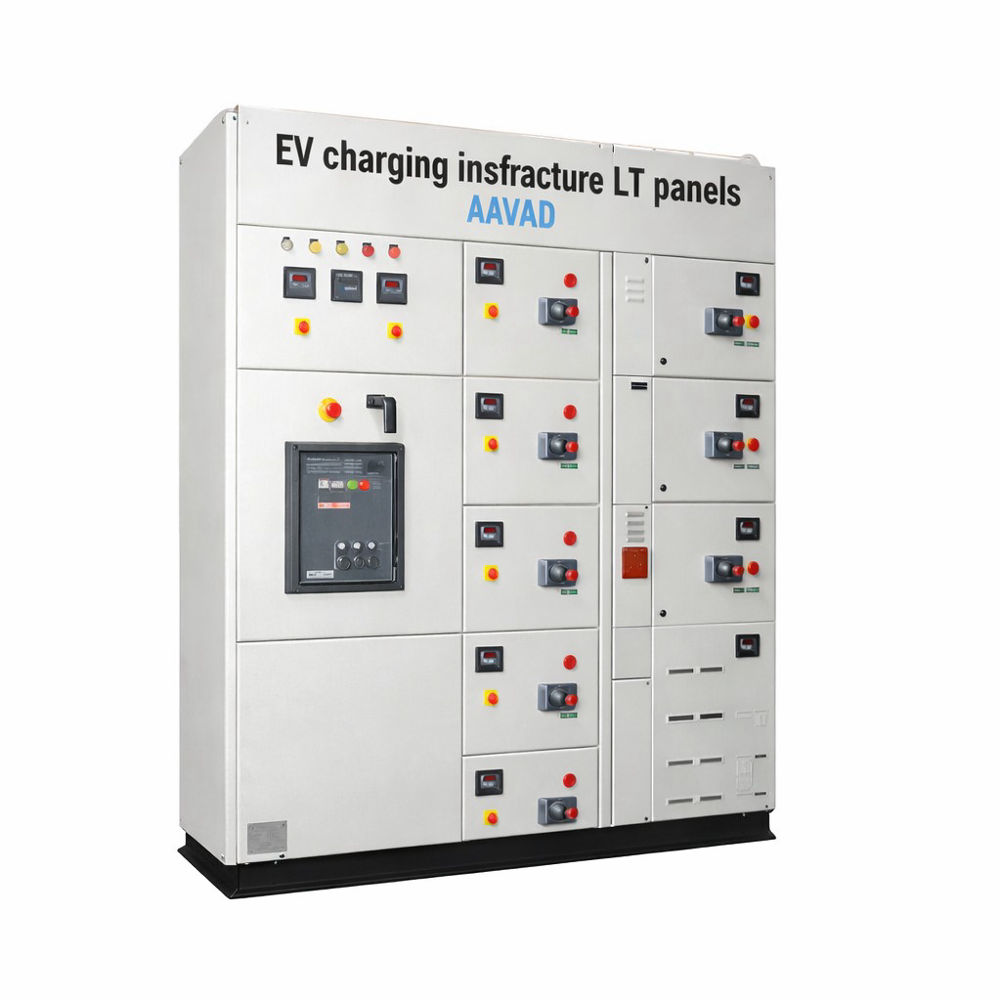
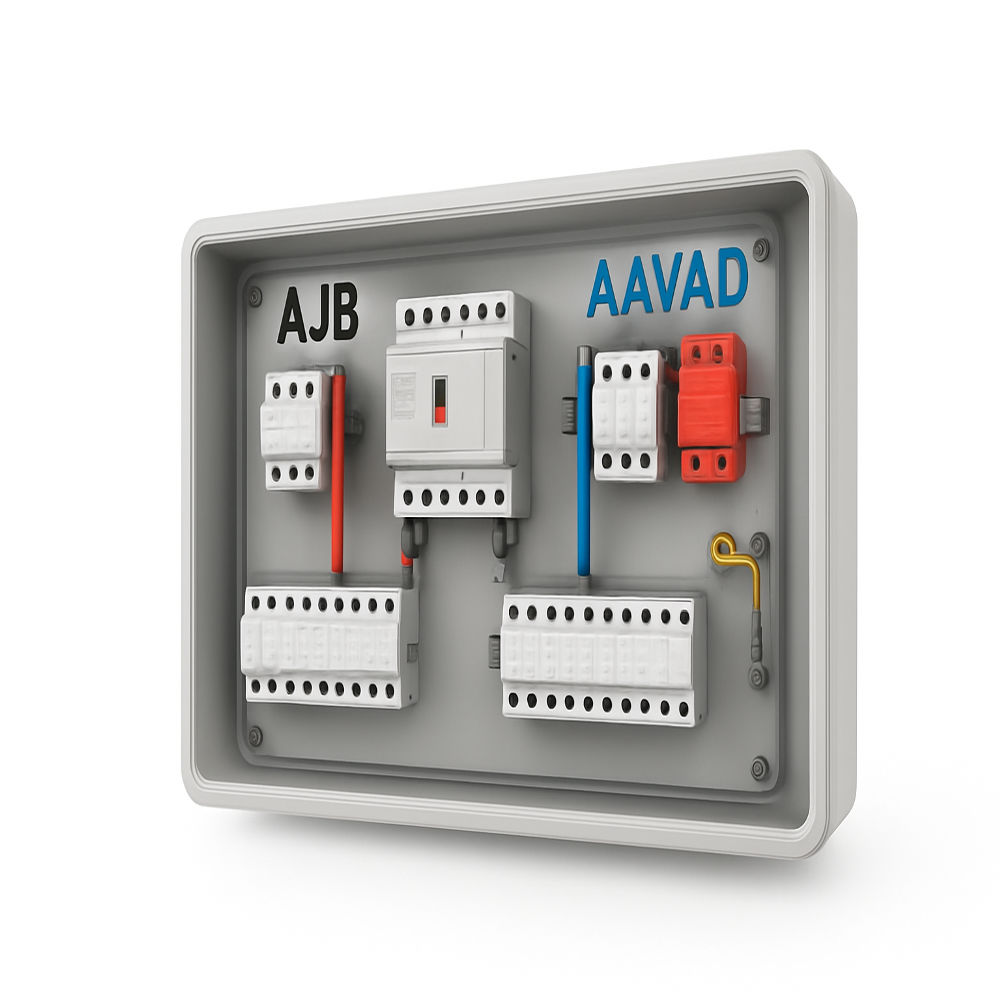
An Electrical Junction Box is a protective enclosure used to house electrical connections, busbars, and cables for low-voltage power distribution systems. It ensures safe routing, distribution, and protection of electrical circuits from environmental factors such as dust, moisture, and accidental contact.
AAVAD Instrument Pvt. Ltd. manufactures a wide range of Electrical Junction Boxes designed with weather-resistant construction for enhanced safety, durability, and long service life. These junction boxes are widely used in industrial plants, townships, housing societies, infrastructure projects, and solar power applications.
Weather-resistant and durable construction
Compliance with international electrical standards
High safety and protection levels
Reliable performance in harsh environments
Customizable designs as per application requirements
Trusted manufacturing quality by AAVAD Instrument Pvt. Ltd.
AAVAD INSTRUMENT PVT.LTD. Electrical Junction Boxes are robust, IP-rated enclosures designed for safe and reliable electrical power distribution in industrial, commercial, and solar applications.
The primary function of an Electrical Junction Box is to distribute electrical energy received from transformers, solar power systems, or LT panels to connected loads.
Key functions include:
Safe distribution of electrical power using busbars and cables
Protection of cable joints and electrical connections
Organized routing of incoming and outgoing circuits
Acting as a basic Array Junction Box (AJB) in solar power systems
Supporting LT power distribution systems efficiently
All AAVAD Electrical Junction Boxes undergo advanced surface pretreatment processes, including:
Degreasing
Water rinsing
De-rusting
Phosphating
After pretreatment, enclosures are finished with powder coating or synthetic enamel painting as per customer requirements. The manufacturing process follows a seven-tank treatment system, ensuring superior corrosion resistance.
Additional features include:
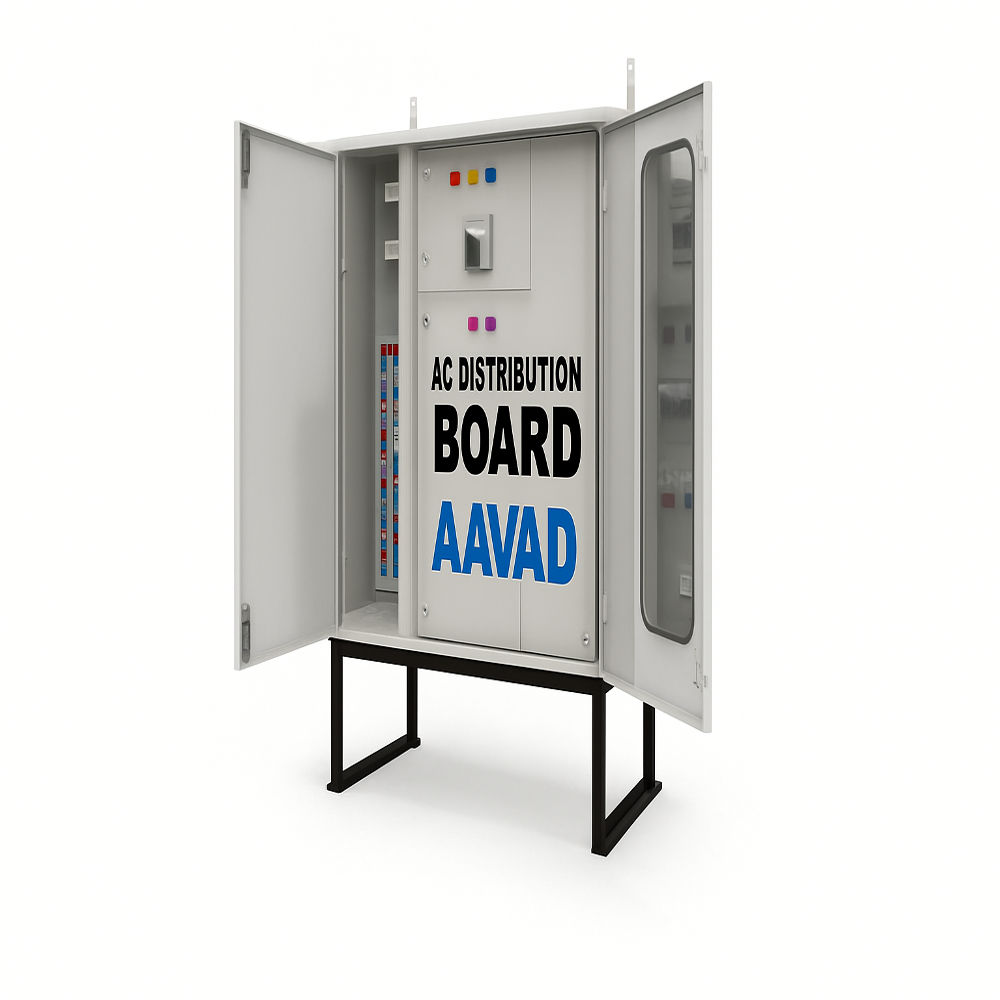
High-quality busbars with uniform cross-section
Internal wiring supported by SMC and DMC bases
Dedicated earthing busbars running throughout the panel
These features make AAVAD Electrical Junction Boxes an essential part of electrical control panels and LT panels.
An AJB (Array Junction Box) is an effective electrical enclosure used in low-voltage distribution applications. Mini AJBs play a vital role in almost all types of electrical panel boards by providing safe termination, protection, and distribution of electrical circuits.
AAVAD Electrical Junction Boxes are designed and manufactured in compliance with Indian and international electrical standards, ensuring safety and reliability:
IS 60947 Part I, II & III
IS 8623
All switches, circuit breakers, and connectors used in the junction boxes conform to the above standards.
Designed for ambient temperatures up to 45°C
Suitable for environments with up to 80% humidity and dusty conditions
Indoor Junction Boxes: Protection level IP54 or higher
Outdoor Junction Boxes: Protection level IP65 or higher
Robust MS / CRCA steel enclosure
Powder-coated finish for corrosion resistance
AAVAD Electrical Junction Boxes are widely used in:
Solar power systems (Array Junction Box – AJB)
Transformer to LT panel cable distribution
Industrial electrical installations
Residential and commercial buildings
Infrastructure and utility projects
Electrical control panels and LT panels
In solar power systems, the Array Junction Box plays a crucial role in power collection and safe distribution. In LT systems, junction boxes help reduce cable length and improve system efficiency.