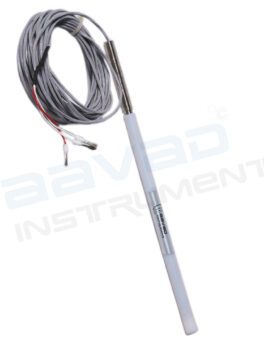
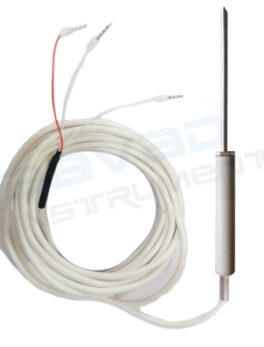
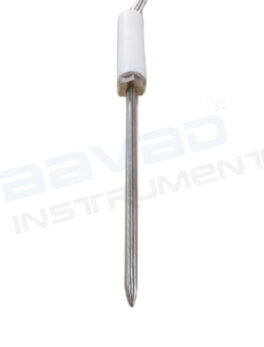
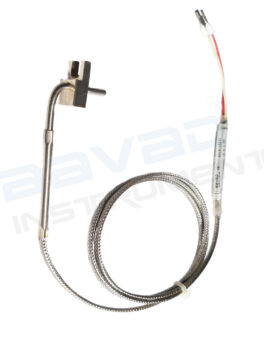
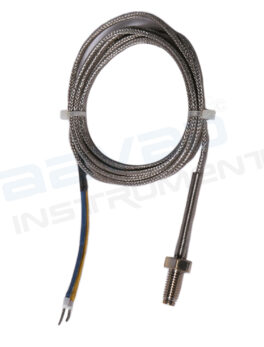
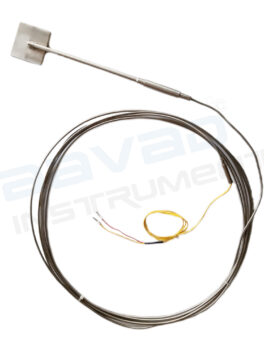
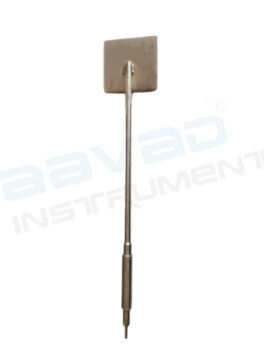
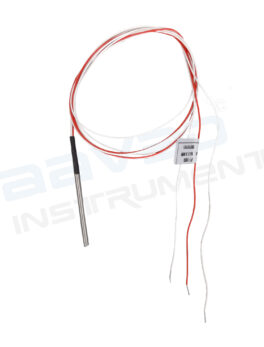
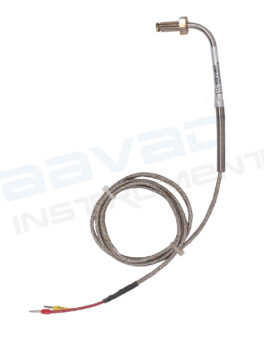
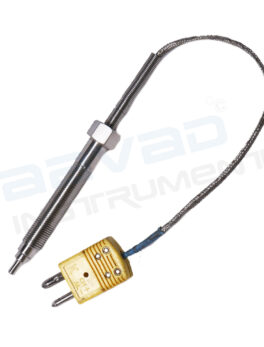
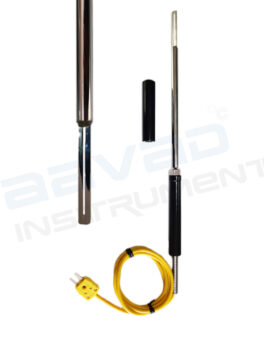
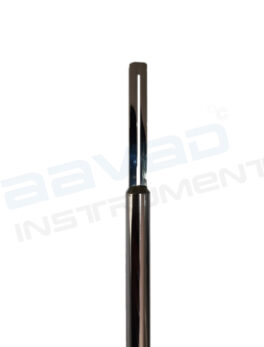
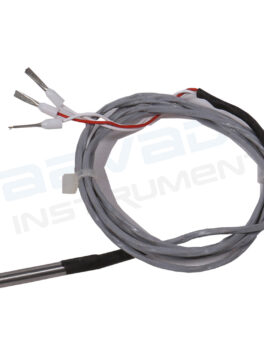
Resistance Temperature Detectors (RTDs) are standard sensors used across industrial applications to measure temperature. RTDs often use a platinum wire to measure temperature. This video introduces a reference design for replacing the platinum element with a digital temperature sensor to improve accuracy and overall system cost. Tune in as we review the current RTD implementations, the new digital replacement, and system-level performance testing.
Key Features
Replaces traditional platinum RTD element with a digital temperature sensor
Higher measurement accuracy compared to analog RTD systems
Eliminates errors caused by lead-wire resistance
Built-in digital calibration and linearization
Improved noise immunity in industrial environments
Reduced need for external signal conditioning circuits
Lower overall system cost and component count
Compact design suitable for modern industrial electronics
Easy integration with microcontrollers, PLCs, and digital systems
Stable and repeatable temperature readings over time
Applications
Industrial temperature monitoring and control systems
Replacement or upgrade of existing RTD-based designs
Factory automation and smart manufacturing equipment
Power plants and energy management systems
HVAC and building automation
Process industries (chemical, petrochemical, pharmaceuticals)
Industrial IoT (IIoT) temperature sensing solutions
Data acquisition and monitoring systems
Precision instrumentation and control panels
Predictive maintenance and condition monitoring systems