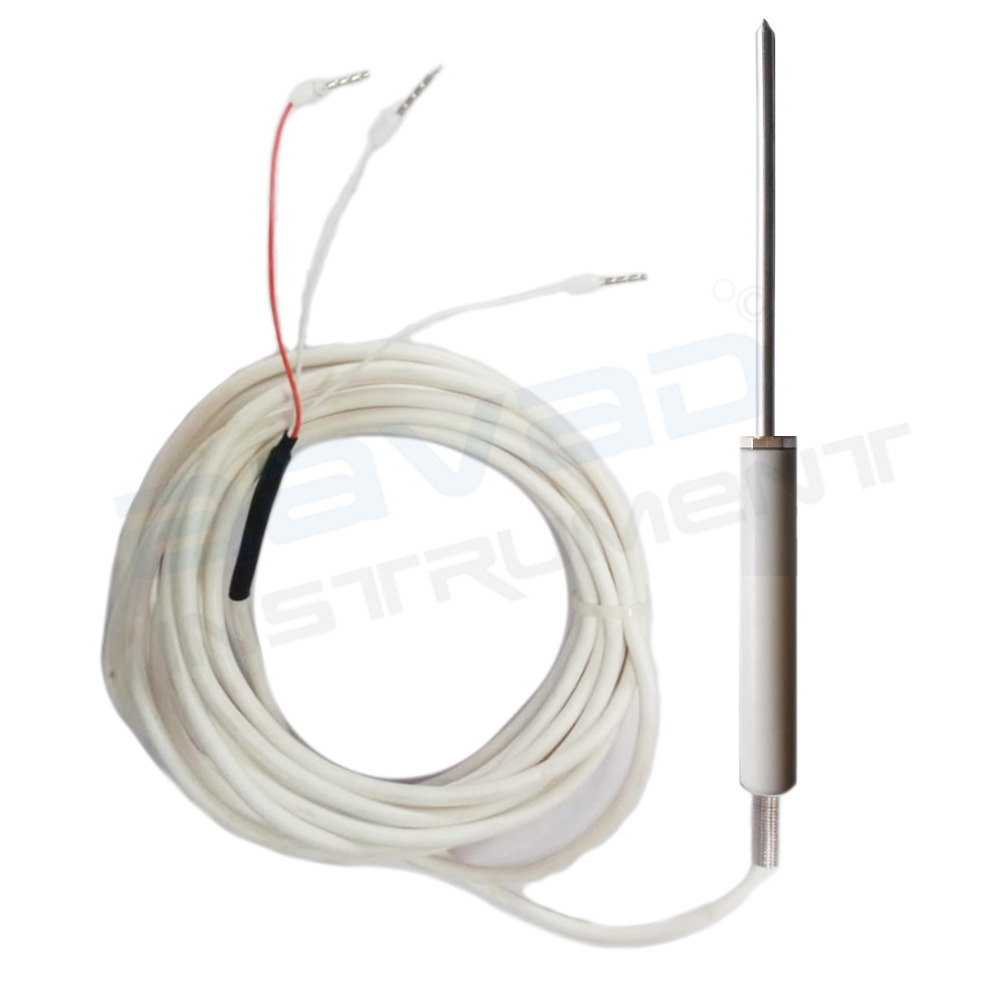
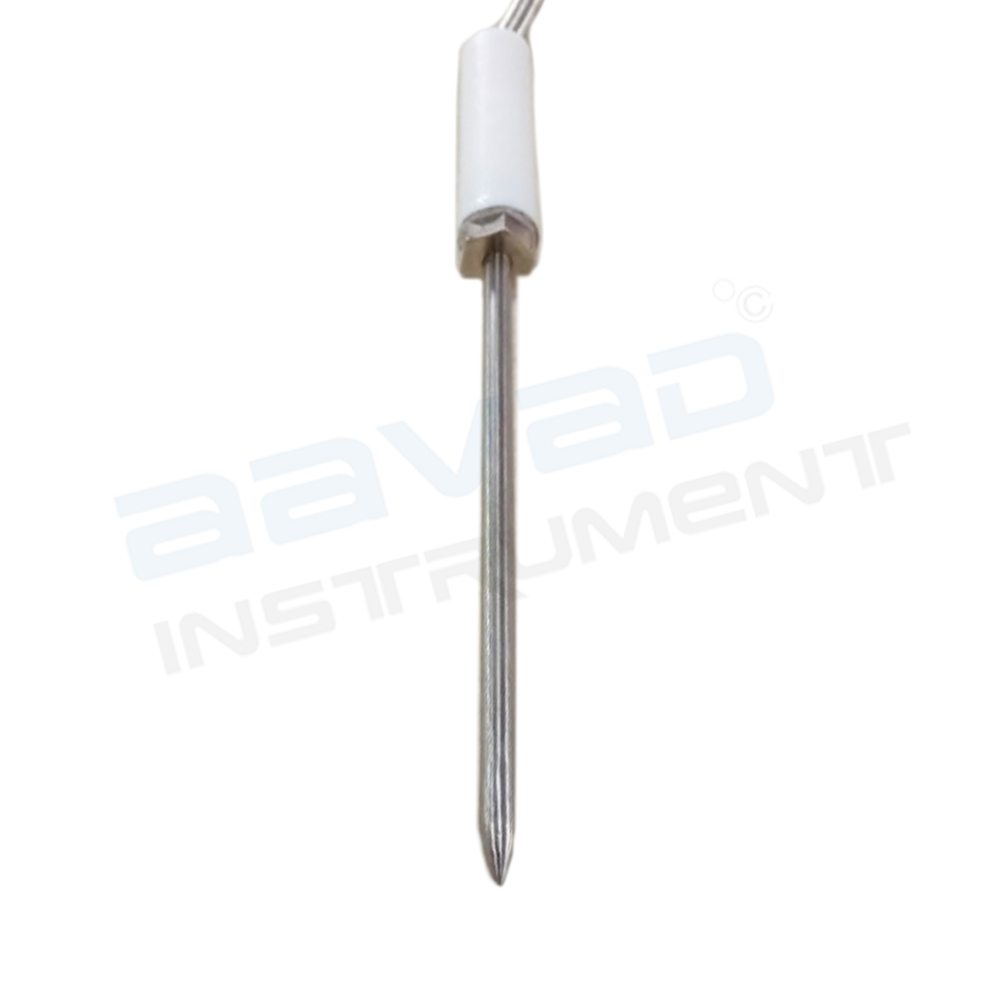
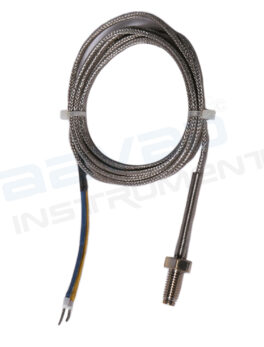
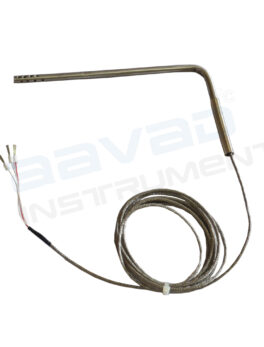
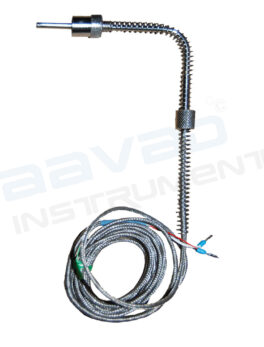
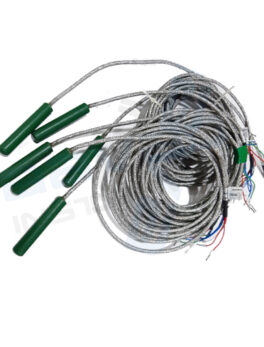
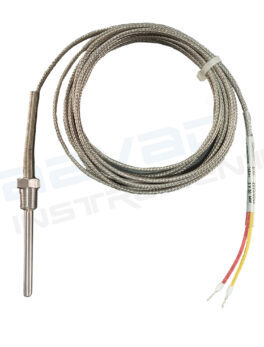
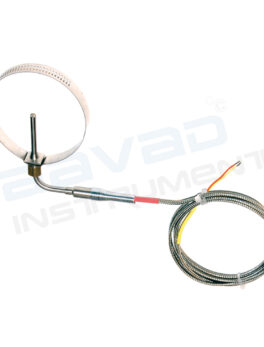
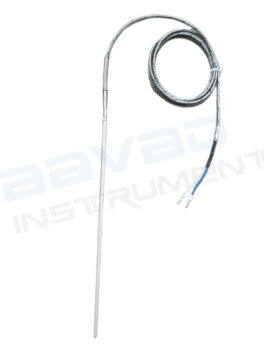
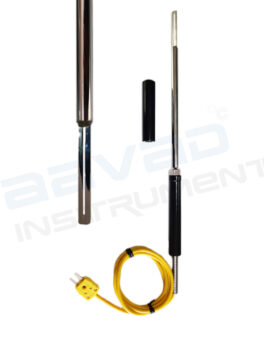
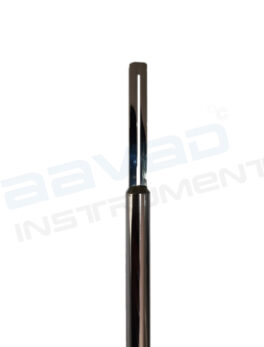
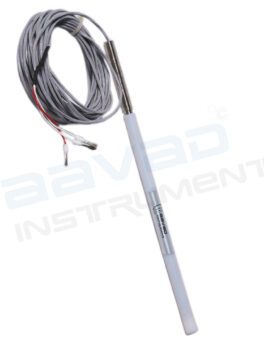
Resistance thermometers, also called resistance temperature detectors (RTDs), are sensors used to measure temperature. Many RTD elements consist of a length of fine wire wrapped around a ceramic or glass core but other constructions are also used. The RTD wire is a pure material, typically platinum, nickel, or copper.
Key Features
Measures temperature based on change in electrical resistance
Made using fine wire wound on ceramic or glass cores
Available in different constructions for various environments
Uses pure metals such as platinum, nickel, or copper
Platinum RTDs (PT100 / PT1000) offer highest accuracy and stability
Excellent repeatability and long-term reliability
Predictable and well-defined resistance vs temperature relationship
Suitable for precise and stable temperature measurements
Compatible with industrial controllers and transmitters
Low drift over long service life
Applications
Industrial temperature measurement and control
Power generation plants and substations
Chemical and petrochemical processing
Oil & gas industries
HVAC and building automation systems
Food, beverage, and pharmaceutical manufacturing
Laboratory and calibration equipment
Machinery, motors, and bearing temperature monitoring