Description
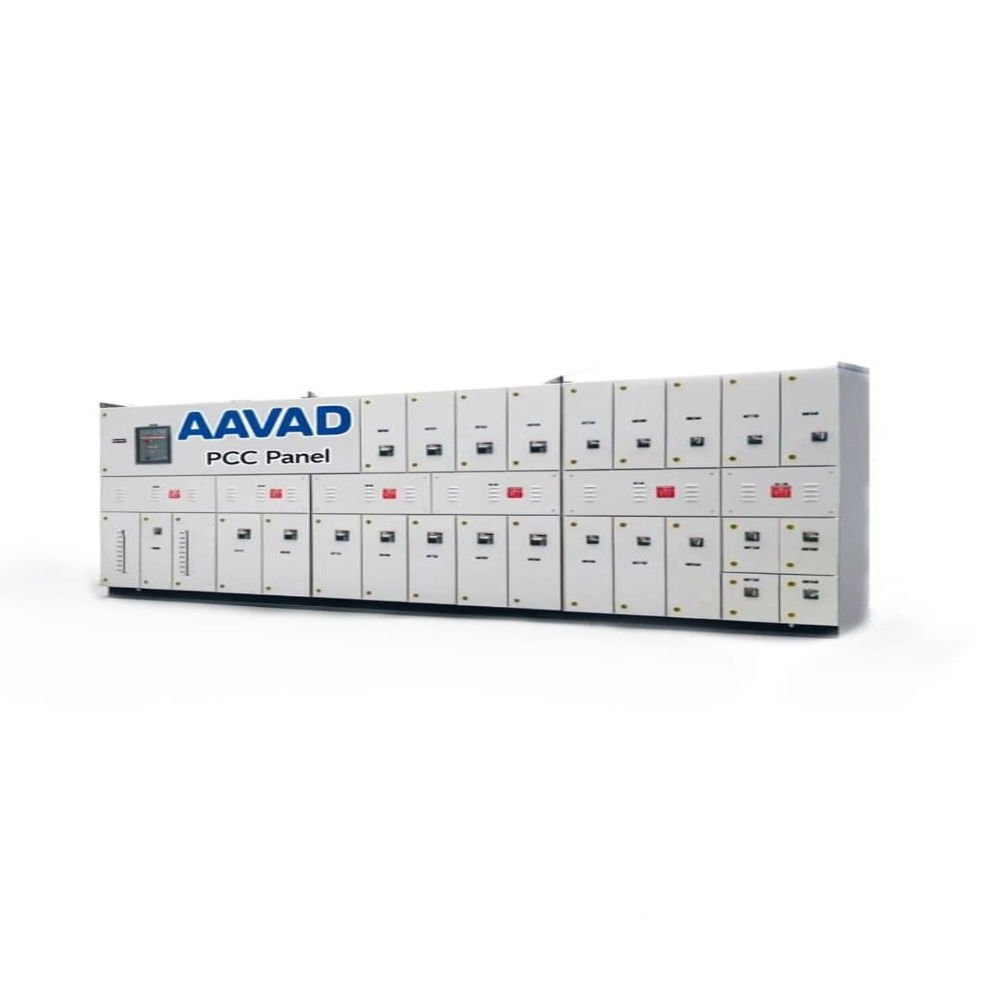
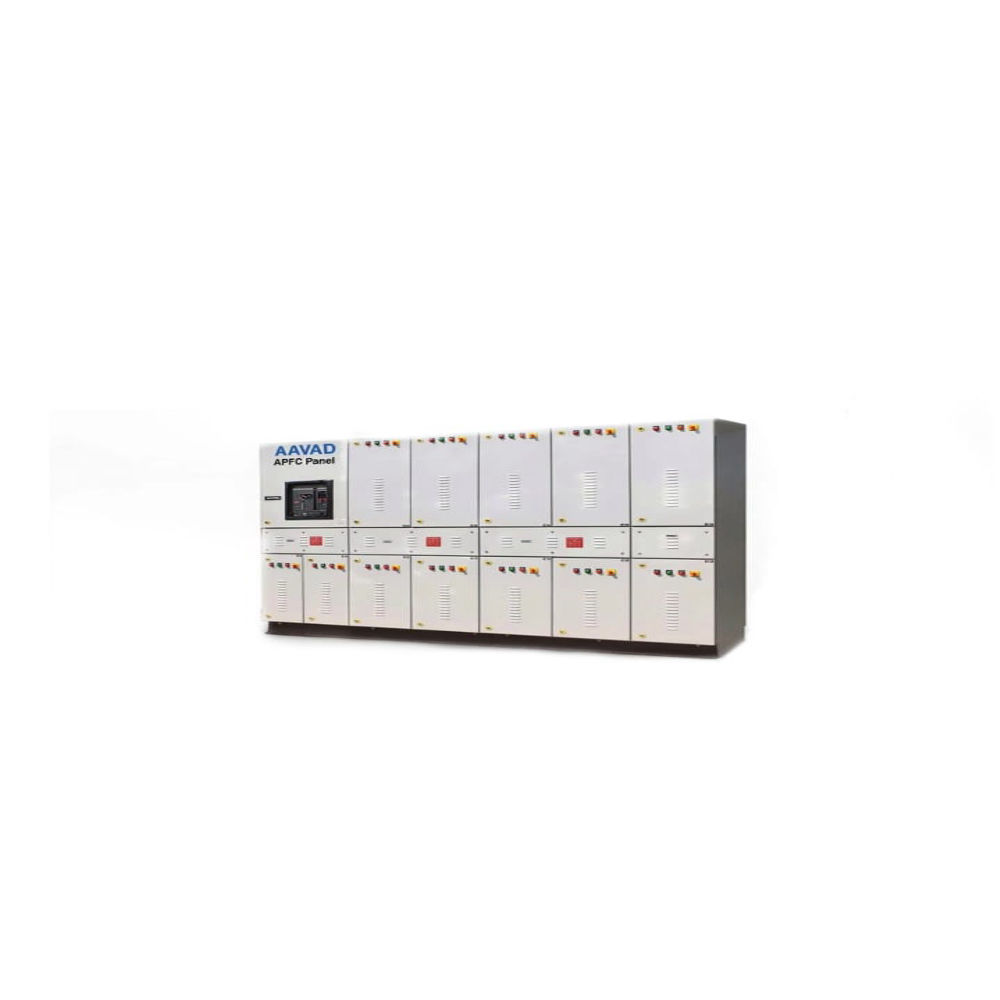
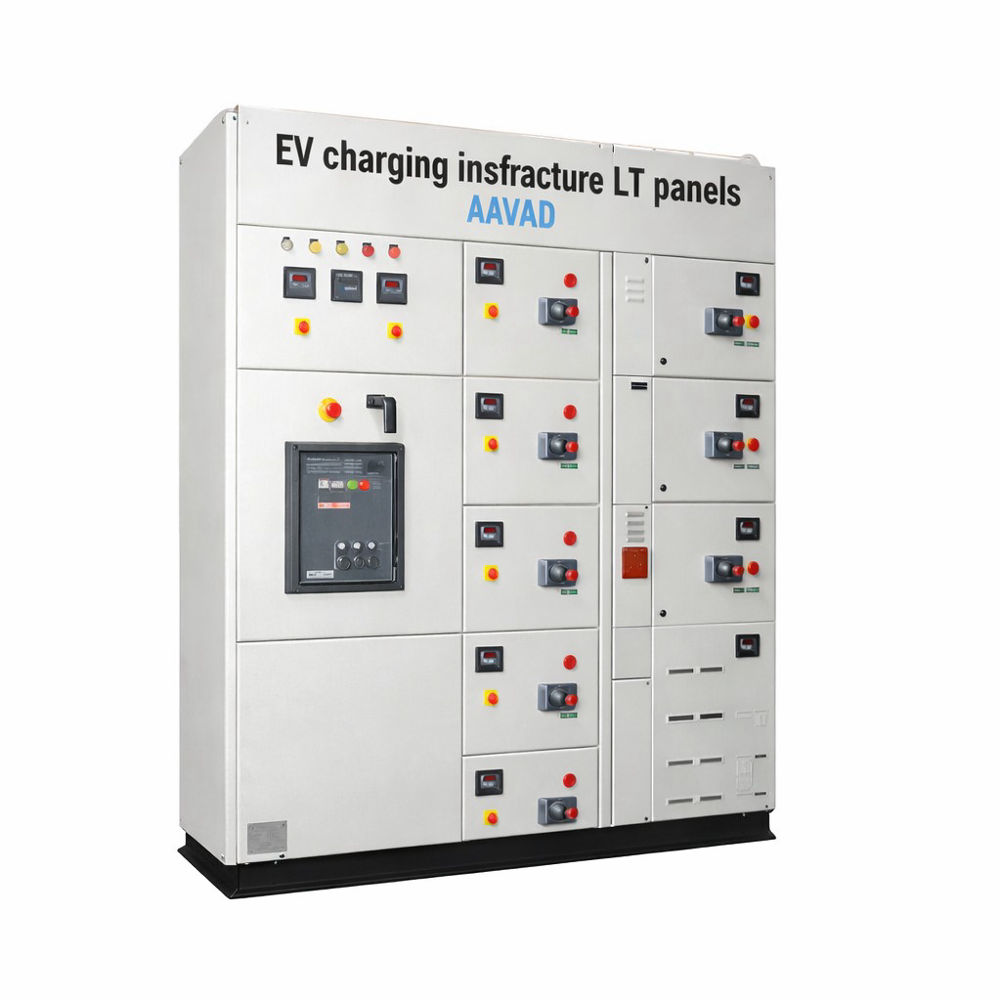
AAVAD INSTRUMENT PVT.LTD. IMCC Panels provide intelligent motor control, advanced protection, and seamless automation integration for reliable industrial motor management.

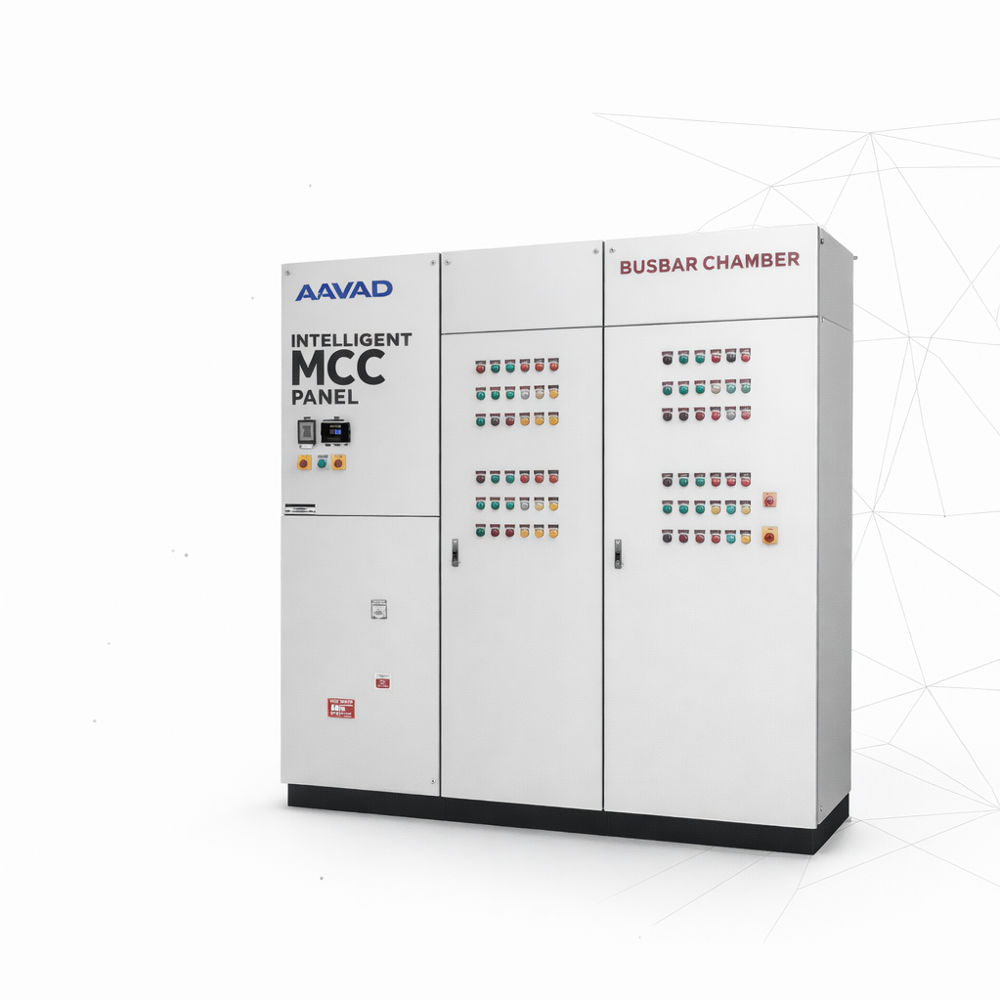
Smart, Reliable & Advanced Motor Control Solutions
An Intelligent Motor Control Center (IMCC) is an advanced motor control system that integrates intelligent motor management, protection relays, communication modules, and automation-ready architecture into a single centralized panel. It enables real-time monitoring, precise control, and enhanced protection of electric motors across complex industrial processes.
AAVAD Instrument Pvt. Ltd. designs and manufactures state-of-the-art IMCC Panels that serve as the nerve center of modern power systems, ensuring operational efficiency, safety, and system reliability.
IMCC Panels go beyond conventional MCCs by incorporating smart motor management modules (such as SIMOCODE), intelligent protection relays, and digital communication protocols. These features enable seamless data exchange across panel sections and higher-level control systems.
By operating on a common power bus architecture, IMCC Panels optimize electrical distribution while delivering advanced diagnostics, predictive maintenance, and centralized motor control.
Advanced intelligent motor management
Seamless integration with automation systems
Enhanced safety and protection architecture
Reduced downtime and maintenance costs
Scalable and future-ready design
Compliance with international electrical standards
Trusted engineering expertise of AAVAD Instrument Pvt. Ltd.
AAVAD INSTRUMENT PVT.LTD. IMCC Panels provide intelligent motor control, advanced protection, and seamless automation integration for reliable industrial motor management.
IMCC Panels integrate intelligent control mechanisms that optimize motor operation, improve process flow, and increase overall system efficiency.
Compact and modular designs reduce floor space requirements and significantly shorten installation and commissioning time.
IMCC Panels incorporate cutting-edge protection devices that safeguard motors against overloads, short circuits, phase failures, and other electrical faults.
Through real-time monitoring and predictive maintenance capabilities, IMCC Panels minimize unplanned shutdowns and enhance operational continuity.
Built-in diagnostics and condition monitoring enable proactive maintenance, lowering maintenance costs and extending equipment life.
Intelligent motor management and automation-ready systems enhance productivity by ensuring smooth, uninterrupted motor operation.
IMCC Panels support seamless communication with PLCs, DCS, and BMS, enabling centralized control, data logging, and system-wide coordination.
AAVAD IMCC Panels are designed and manufactured in compliance with stringent international standards:
IEC 61439 – Low-voltage switchgear and controlgear assemblies
IEC 61439-2 – Power switchgear and controlgear assemblies
Form 4B compartmentalization for enhanced safety
These standards ensure high levels of safety, performance, and global acceptance.
Verified design for electrical and operational safety
Safer and robust busbar assembly
Enhanced IP protection for harsh environments
Higher class insulation for long service life
Fully compartmentalized design as per Form 4B
Modular architecture for future expansion
AAVAD Intelligent Motor Control Centers are widely used in:
Manufacturing plants
Oil & gas industry
Water and wastewater treatment facilities
Commercial buildings and infrastructure
Mining operations
Renewable energy plants
Transportation sector
Food and beverage industry
IMCC Panels are ideal for applications where continuous operation, process automation, and motor reliability are critical.