Description
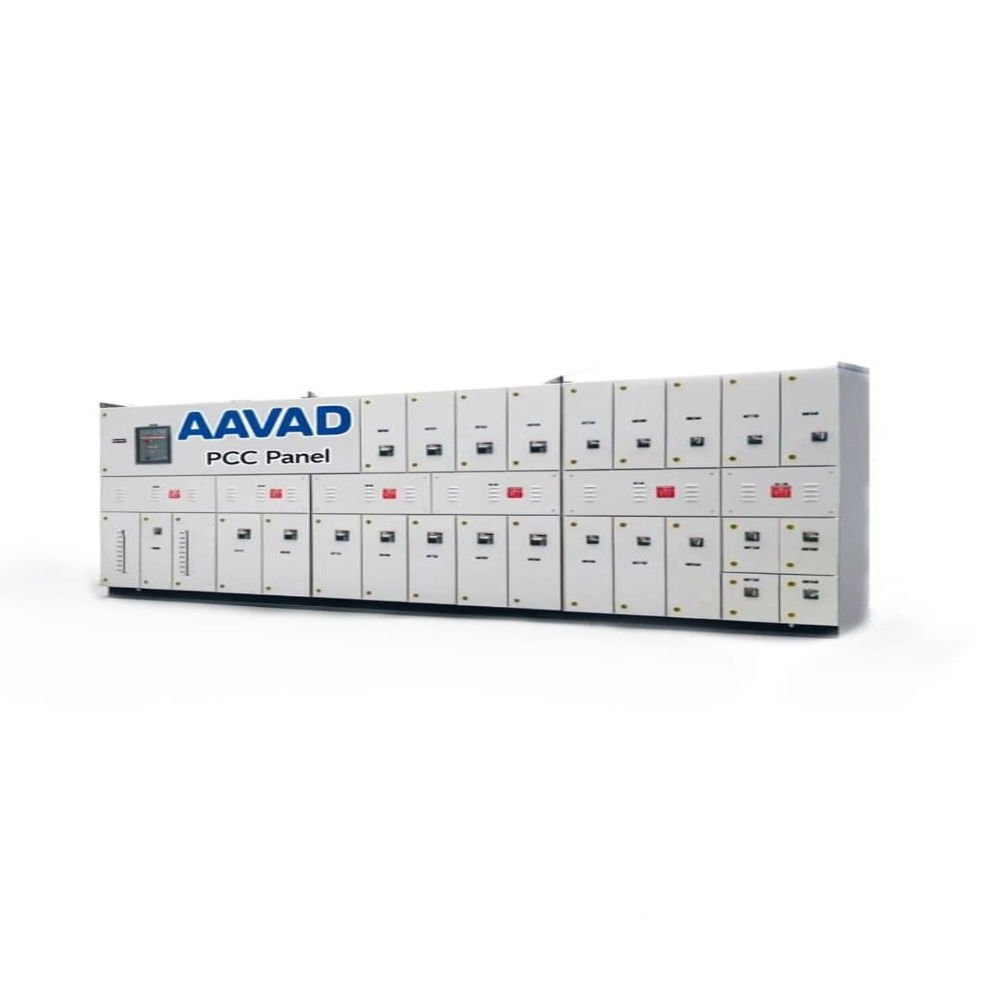
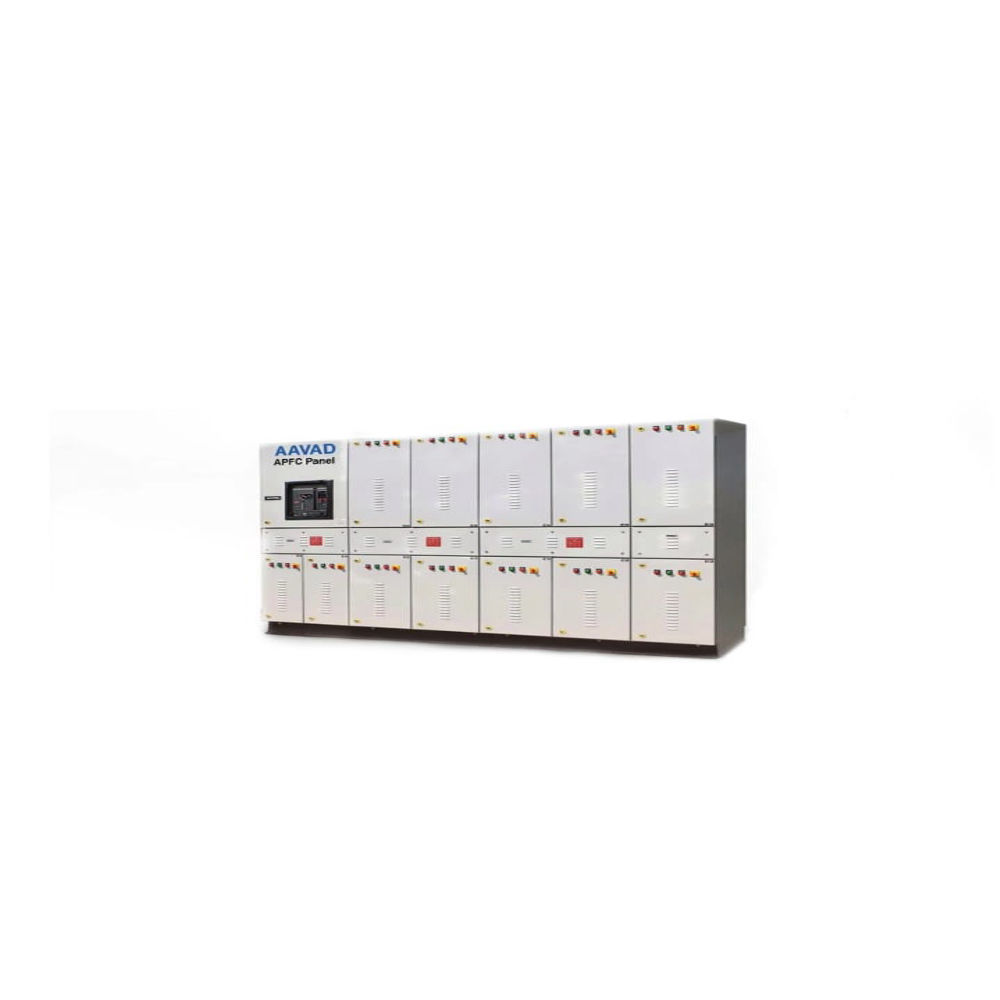
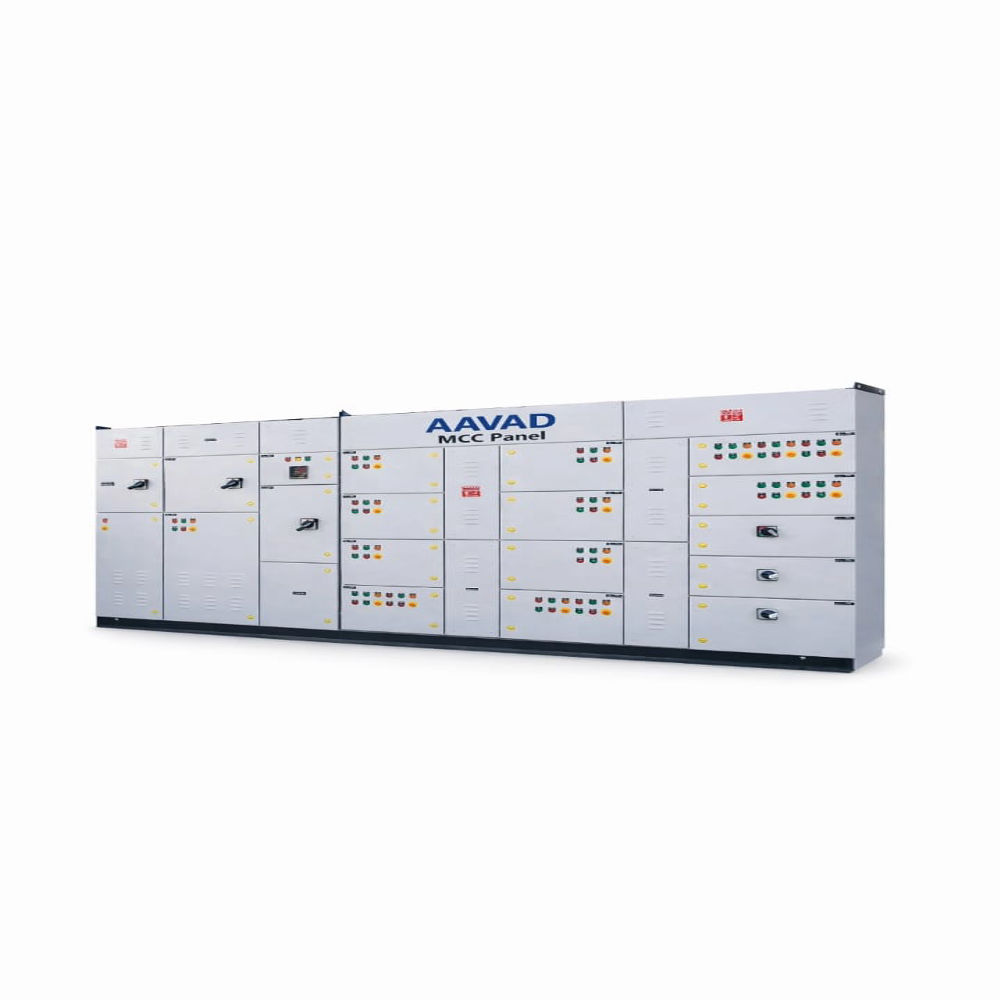
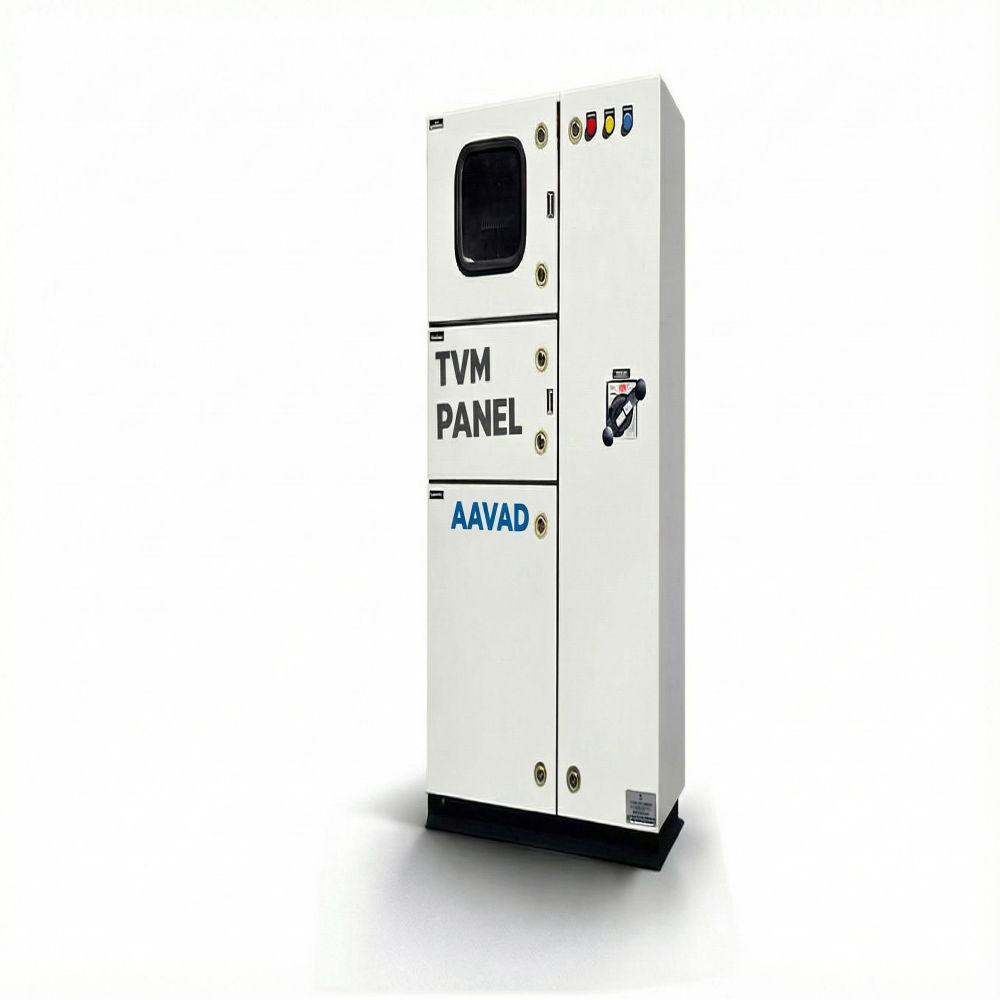
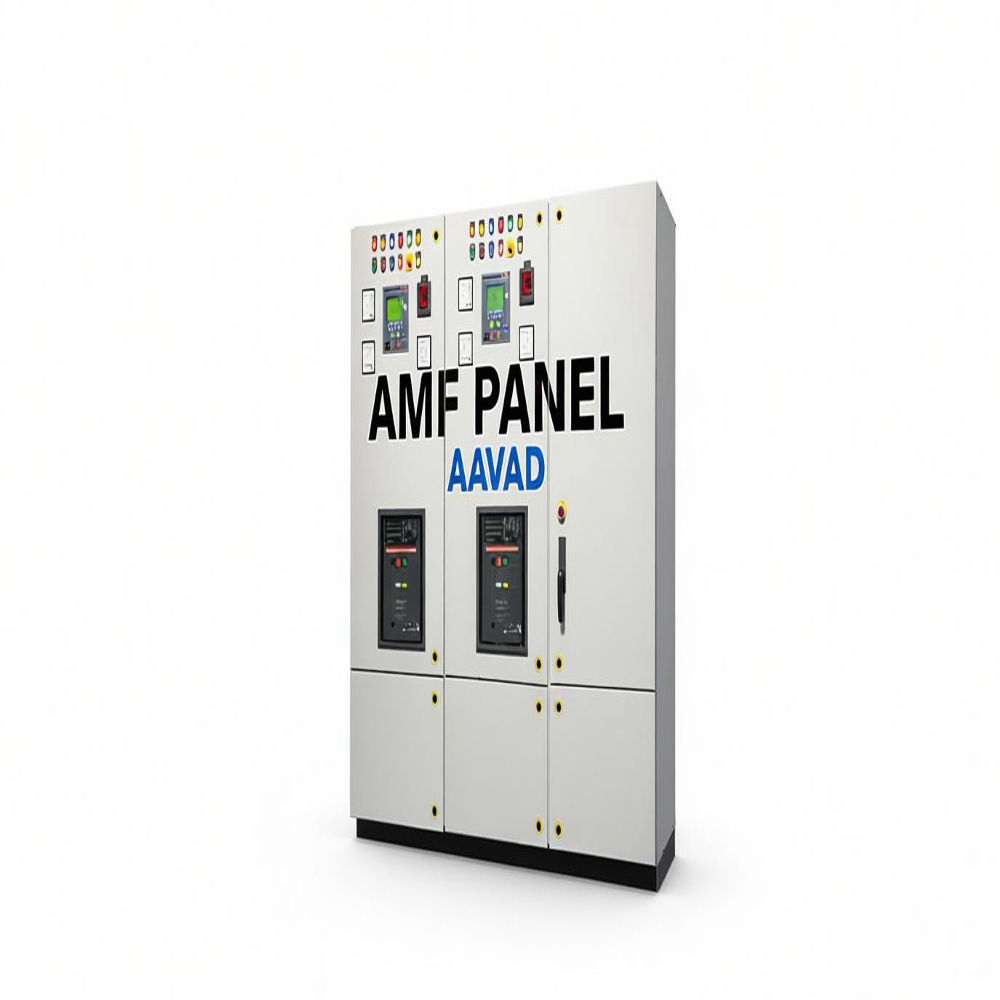
AAVAD INSTRUMENT PVT.LTD. Synchronizing Panels enable safe and intelligent synchronization of multiple power sources, ensuring uninterrupted power supply and efficient load sharing.

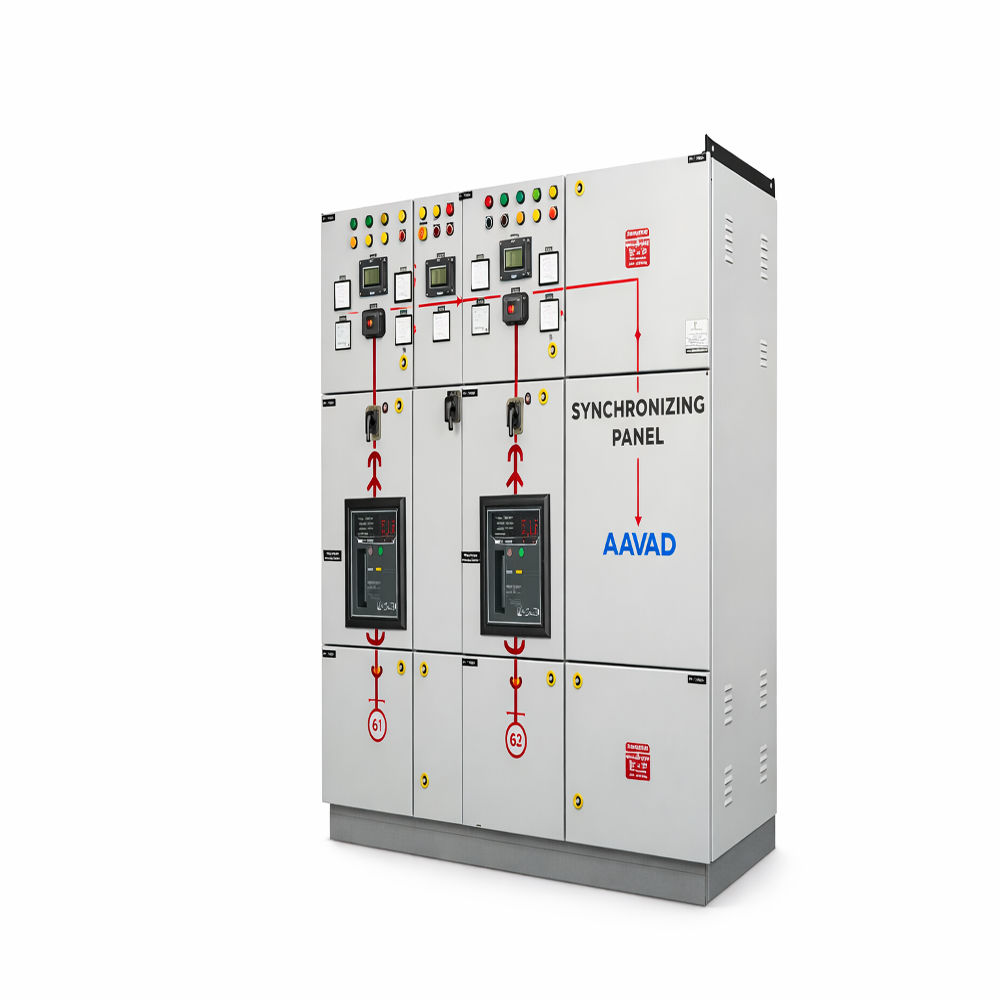
A Synchronizing Panel is an advanced electrical control system designed to synchronize, control, and manage multiple power sources such as DG sets, utility grid (mains), solar power systems, and other captive energy sources. It ensures that all connected sources operate together safely by matching voltage, frequency, phase sequence, and phase angle before connection to a common bus.
AAVAD Instrument Pvt. Ltd. engineers and manufactures high-performance Synchronizing Panels for installations where power continuity, load stability, and operational reliability are mission-critical.
In modern industrial and infrastructure facilities, reliance on a single power source is no longer practical. Synchronizing Panels enable:
Seamless power continuity during mains failure
Efficient utilization of multiple DG sets
Stable load sharing across power sources
Integration of renewable energy with conventional power
Reduced downtime and operational losses
These panels form the backbone of critical power systems in manufacturing plants, utilities, data centers, hospitals, and large commercial facilities.
All power sources are connected to a common busbar system through motorized circuit breakers or air circuit breakers (ACBs). The Synchronizing Panel continuously monitors electrical parameters.
Panel monitors mains and alternate power sources
On mains failure, synchronizing relay initiates DG start command
DG sets warm up and stabilize
Synchronizing relay matches voltage, frequency, and phase
Load is shared automatically between sources
On mains restoration, load is transferred back smoothly
This process ensures zero interruption and safe power transition.
AAVAD INSTRUMENT PVT.LTD. Synchronizing Panels enable safe and intelligent synchronization of multiple power sources, ensuring uninterrupted power supply and efficient load sharing.
AAVAD Synchronizing Panels integrate globally trusted synchronizing relays such as:
Woodward
DEIF
Deep Sea Electronics (DSE)
Stucke
These controllers enable:
Precise synchronization
Automatic load sharing
Active & reactive power management
Alarm handling and protective shutdown
Advanced and reliable control modules
Full range protection with alarm and shutdown logic
Active and reactive power load sharing
Generator and grid feeder interlocking for AMF operation
Synchronizing capability for multiple DG sets
Ratings available up to 6000A
Protection class: IP52 / IP55 / IP65
Designed for continuous and parallel operation
Short-circuit and overload protection
Reverse power protection
Under/over voltage & frequency protection
Phase failure and phase sequence protection
Emergency shutdown systems
These safety mechanisms ensure equipment protection and system stability at all times.
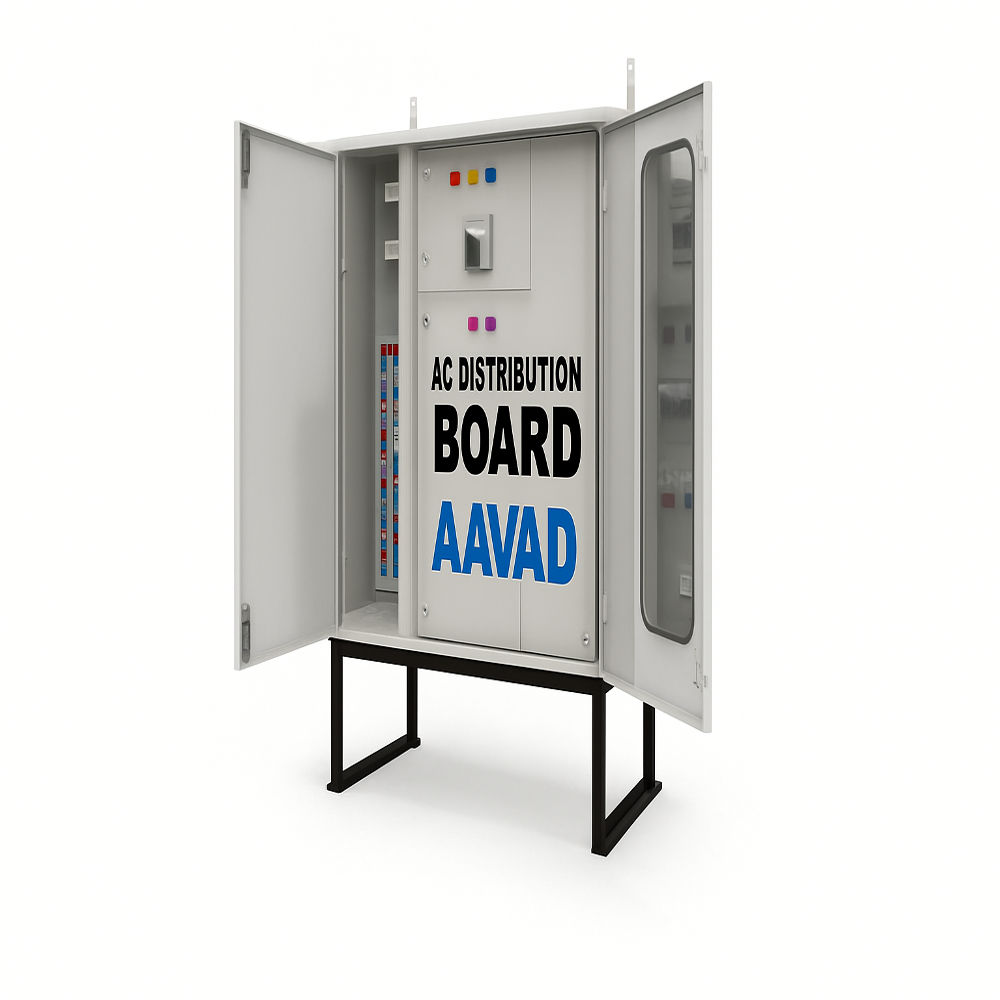
Metal-clad, totally enclosed CRCA enclosure
Rigid, floor-mounted, air-insulated cubicle design
Designed for 3-phase / single-phase, 415V / 230V, 50Hz systems
Suitable for ambient temperatures up to 45°C
Reliable operation in dusty and high-humidity environments
AAVAD Synchronizing Panels comply with leading Indian and international standards:
IS 8623
IEC 60529
IEC 60947 (Part I, II & III)
IS 60947 (Part I, II & III)
Compliance ensures electrical safety, performance consistency, and long service life.
DG–DG synchronization
DG–Grid synchronization
Solar–Grid synchronization
Hybrid power plants
Industrial manufacturing facilities
Data centers & IT parks
Hospitals & healthcare infrastructure
Utilities and power stations
Critical process industries